There are about 200 countries in the world, and every country has its own traditional food. Food is part of every country’s culture. It is what makes countries unique. Do you know each countries’ traditional food? Well if you don’t, I will introduce the traditional food of several countries in my blog.
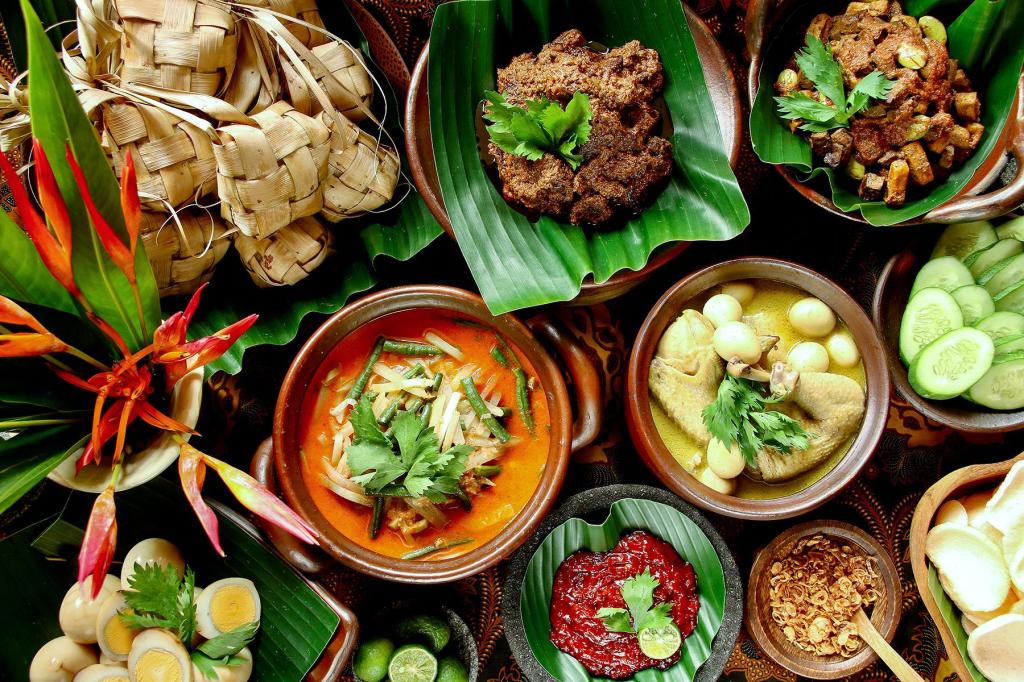
Why is food different around the world?
It is actually amazing how similar food is around the world, industrialisation and internationalisation have actually encouraged similarities across the world. But of course there are differences, in some places food uses local ingredients that have not spread elsewhere. There are also differences based on convention and habit. For example, baking food is common in western countries, fly flash frying is common in Asia. So we see the rise of certain common genres of food. Hamburgers and fries in the US. Then there are curries in India, every single restaurant in Korea is a Korean BBQ, and of course stir frying dishes in Asia. Basically one genre of cooking takes hold in a place and soon it dominates and even though there are many types of food in a place, one type may still dominate.
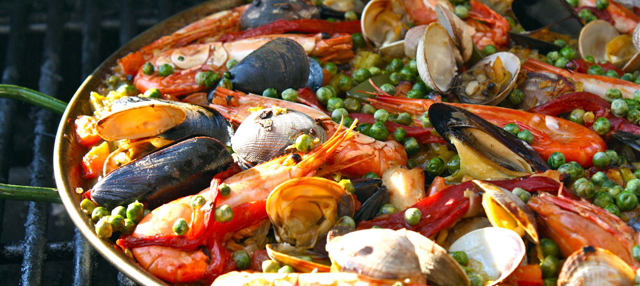
What is meant by traditional food and why are they important?
Traditional foods are foods and dishes that are passed through generations or which have been consumed for many generations. Traditional foods and dishes are traditional in nature, and may have a historic precedent in a national dish, regional or local cuisines. Traditional foods and beverages may be produced as homemade, by restaurants and small manufacturers, and by large food processing plant facilities. Traditional food is important because they show you the identity of the country and reminds you of your home and family, traditional food reminds me of family because they are originally made with love from families to each other.
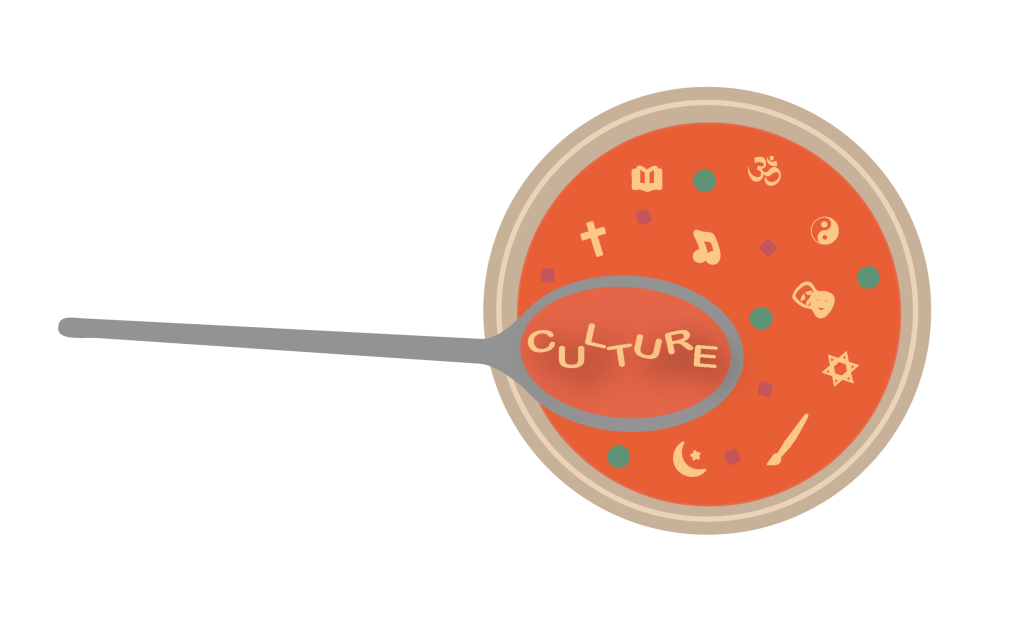
As the world becomes more globalized, it is easier to access cuisines from different cultures. We should embrace our heritage through our culture’s food but we should also become more informed about other cultures by trying their foods. It’s important to remember that each dish has a special place in the culture to which it belongs, and is special to those who prepare it. Food is a portal into culture, and it should be treated as such.
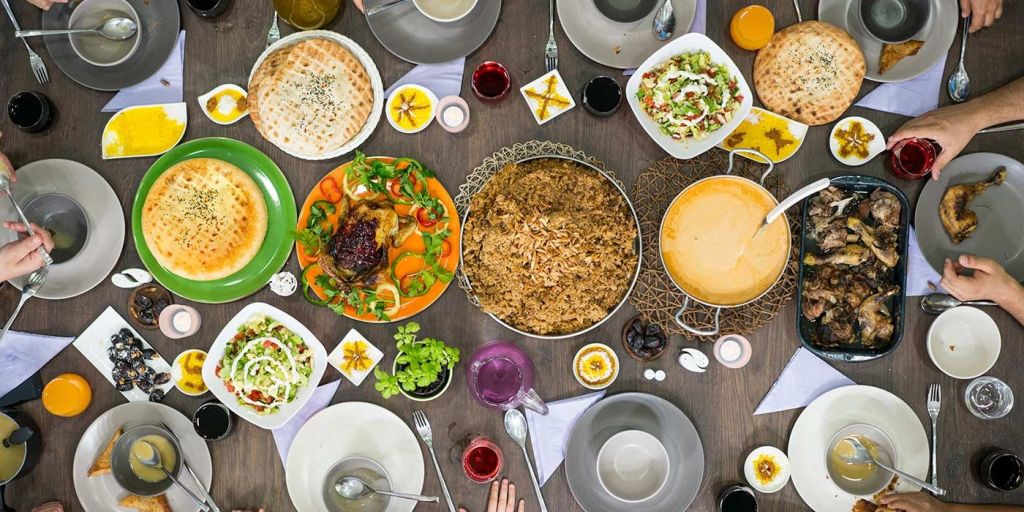
 Food Around The World