Be yourself; Everyone else is already taken.
— Oscar Wilde.
This is the first post on my new blog. I’m just getting this new blog going, so stay tuned for more. Subscribe below to get notified when I post new updates.
food, cuisines, travel, world, restaurants
Be yourself; Everyone else is already taken.
— Oscar Wilde.
This is the first post on my new blog. I’m just getting this new blog going, so stay tuned for more. Subscribe below to get notified when I post new updates.
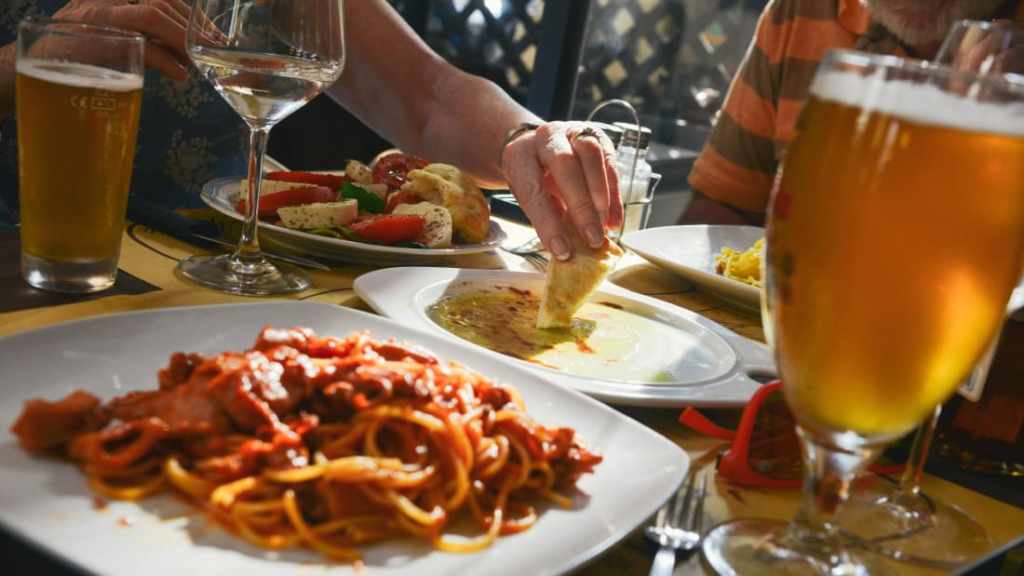
This may be because most of the popular foods in the USA originate in some other country. The pizza slice is Italian. Fries are Belgium or Dutch. Hamburgers and frankfurters? Likely German. But in the kitchens of the United States, they have been improved and added to, to become global icons for food lovers everywhere.Don’t neglect the homegrown american dishes either.There’s the traditional stuff such as clam chowder, key lime pie and Cobb salad, and most importantly the locavore movement of modern American food started by Alice Waters. This promotion of eco-awareness in food culture is carried on today by Michelle Obama.
Yum: Cheeseburger — a perfect example of making good things greater.Chocolate chip cookie — the world would be a little less habitable without this Americana classic.
Dumb: All overly processed foods such as Twinkies, Hostess cakes.
2. Mexico
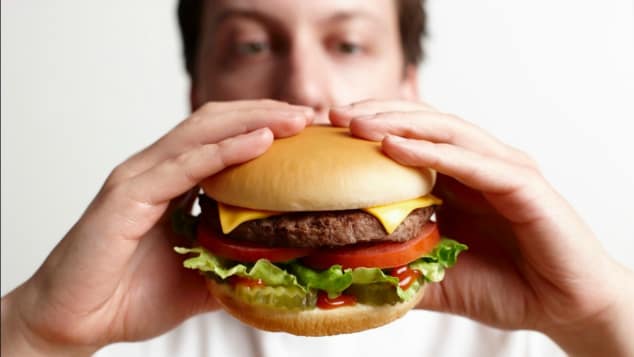
If you were only allowed to eat the food of one country the rest of your life, it would be smart to make it Mexico. The cuisine of the Mesoamerican country has a little bit of everything — you’ll never get bored. Amongst the enchiladas and the tacos and the helados and the quesadillas you’ll find the zestiness of Greek salads and the richness of an Indian curry; the heat of Thai food and the use-your-hands snackiness of tapas. It is also central station for nutritional superfoods. All that avocado, tomato, lime and garlic with beans and chocolates and chilies to boot, is rich with antioxidants and good healthful things. It doesn’t taste healthy though. It tastes like a fiesta in your mouth.
Yum: Mole — ancient sauce made of chili peppers, spices, chocolate and magic incantations.Tacos al pastor — the spit-roast pork taco, a blend of the pre- and post-Colombian.Tamales — an ancient Mayan food of masa cooked in a leaf wrapping.
Dumb: Tostadas — basically the same as a taco or burrito but served in a crispy fried tortilla which breaks into pieces as soon as you bite into it. Impossible to eat.
3. Greece
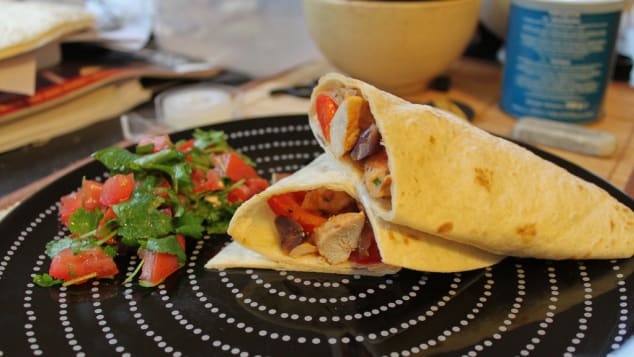
Traveling and eating in Greece feels like a glossy magazine spread come to life, but without the Photoshopping. Like the blue seas and white buildings, the kalamata olives, feta cheese, the colorful salads and roast meats are all postcard perfect by default. The secret? Lashings of glistening olive oil. Gift of the gods, olive oil is arguably Greece’s greatest export, influencing the way people around the world think about food and nutritional health. Eating in Greece is also a way of consuming history. A bite of dolma or a slurp of lentil soup gives a small taste of life in ancient Greece, when they were invented.
Yum: Olive oil — drizzled on other food, or soaked up by bread, is almost as varied as wine in its flavors.Spanakopita — makes spinach palatable with its feta cheese mixture and flaky pastry cover.Gyros — late-night drunk eating wouldn’t be the same without the pita bread sandwich of roast meat and tzatziki.
Dumb: Lachanorizo — basically cabbage and onion cooked to death then mixed with rice. Filling, but one-dimensional.
4. India
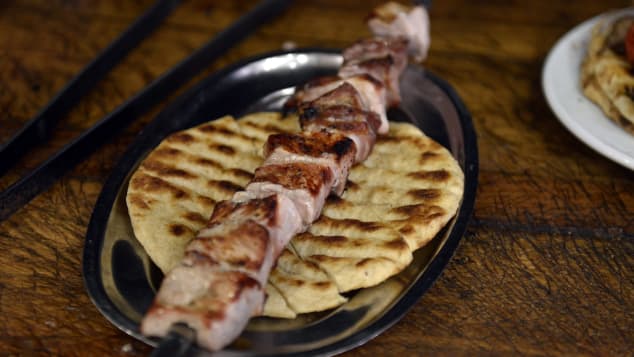
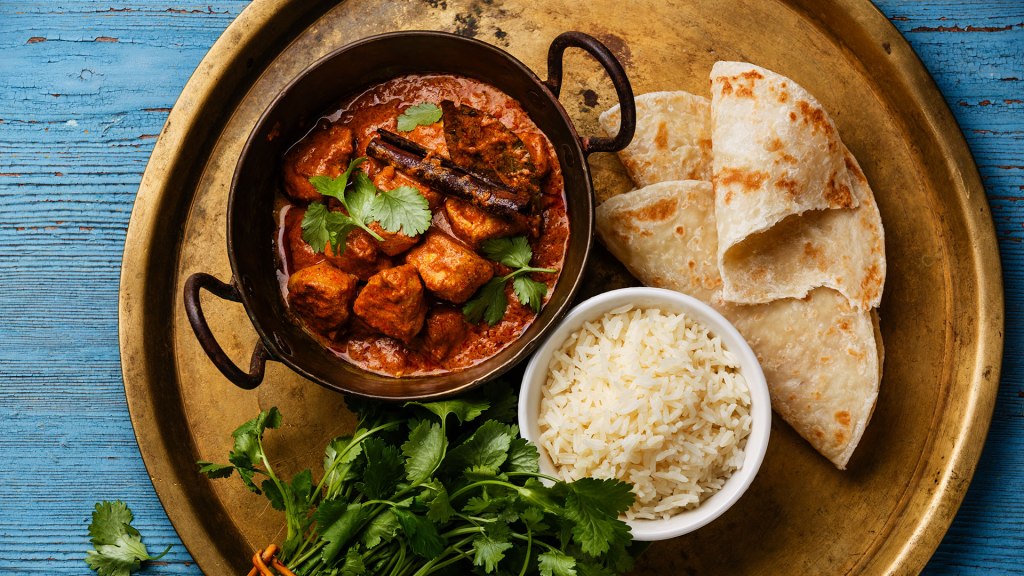
When a cuisine uses spices in such abundance that the meat and vegetables seem like an afterthought, you know you’re dealing with cooks dedicated to flavor. There are no rules for spice usage as long as it results in something delicious. The same spice can add zest to savory and sweet dishes, or can sometimes be eaten on its own — fennel seed is enjoyed as a breath-freshening digestive aid at the end of meals.And any country that manages to make vegetarian food taste consistently great certainly deserves some kind of Nobel prize. The regional varieties are vast. There’s Goa’s seafood, there’s the wazwan of Kashmir and there’s the coconutty richness of Kerala.
Yum: Dal — India has managed to make boiled lentils exciting.Dosa — a pancake filled with anything from cheese to spicy vegetables, perfect for lunch or dinner.Chai — not everyone likes coffee and not everyone likes plain tea, but it’s hard to resist chai.
Dumb: Balti chicken — an invention for the British palate
5. Japan
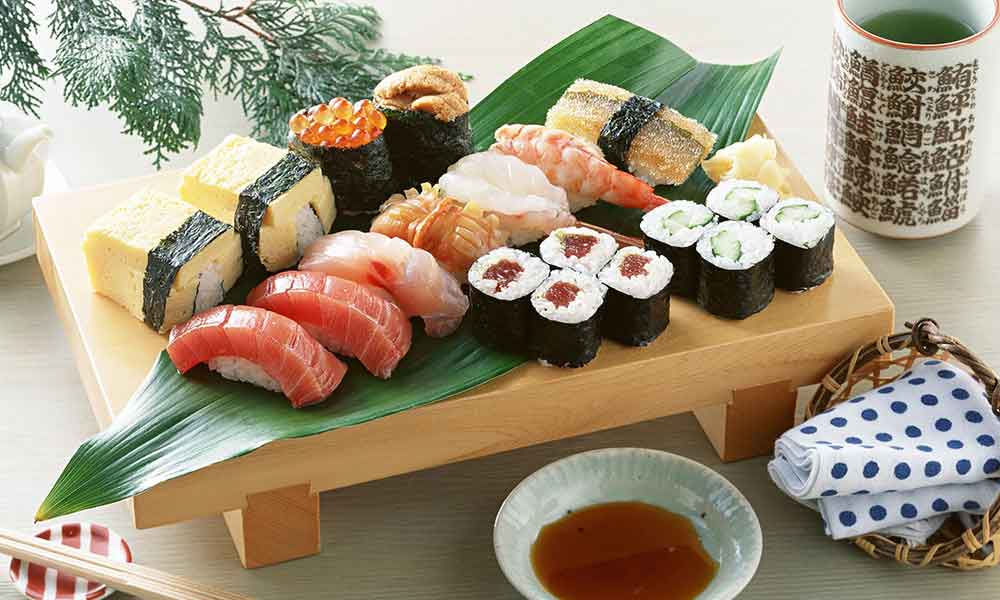
Japanese apply the same precision to their food as they do to their engineering. This is the place that spawned tyrannical sushi masters and ramen bullies who make their staff and customers tremble with a glare. You can get a lavish multicourse kaiseki meal that presents the seasons in a spread of visual and culinary poetry. Or grab a seat at a revolving sushi conveyor for a solo feast. Or pick up something random and previously unknown in your gastronomic lexicon from the refrigerated shelves of a convenience store. It’s impossible to eat badly in Japan.
Yum: Miso soup — showcases some of the fundamental flavors of Japanese food, simple and wholesome.Sushi and sashimi — who knew that raw fish on rice could become so popular?Tempura — the perfection of deep-frying. Never greasy, the batter is thin and light like a crisp tissue.
Dumb: Fugu — is anything really that delicious that it’s worth risking your life to eat? The poisonous blowfish recently killed diners in Egypt, but is becoming more available in Japan.
Have you ever wondered what the food you eat everyday can tell you about where you come from? Have you ever wondered why people from different parts of the world eat different types of food? Do you ever ask yourself why certain foods or culinary traditions are so important to your culture? There is more of a connection between food and culture than you may think.
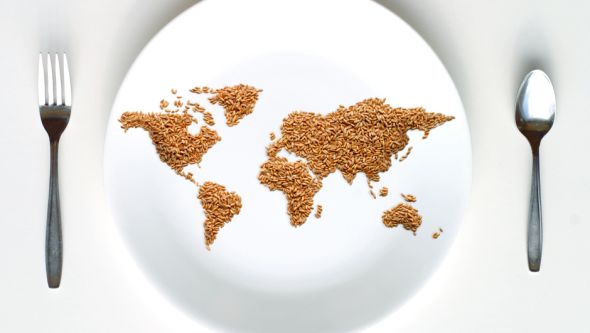
Food is an important part of culture. Traditional cuisine is passed down from one generation to the next. It also operates as an expression of cultural identity. Immigrants bring the food of their countries with them wherever they go and cooking traditional food is a way of preserving their culture when they move to new places.
Continuing to make food from their culture for family meals is a symbol of pride for their ethnicity and a means of coping with homesickness. Many open their own restaurants and serve traditional dishes. However, the food does not remain exactly the same. For example, some ingredients needed to make traditional dishes may not be readily available, so the taste and flavor can be different from the taste and flavor of the dishes that they would prepare in their home countries. Additionally, when immigrants sell food in another country, they do not only sell it to people from the same countries as them, but to people from different countries. Therefore, they have to alter the original dishes to cater to a wider range of customers with distinct tastes and flavor preferences. Alterations to original dishes can create new flavors that still retain the cultural significance of the dish.
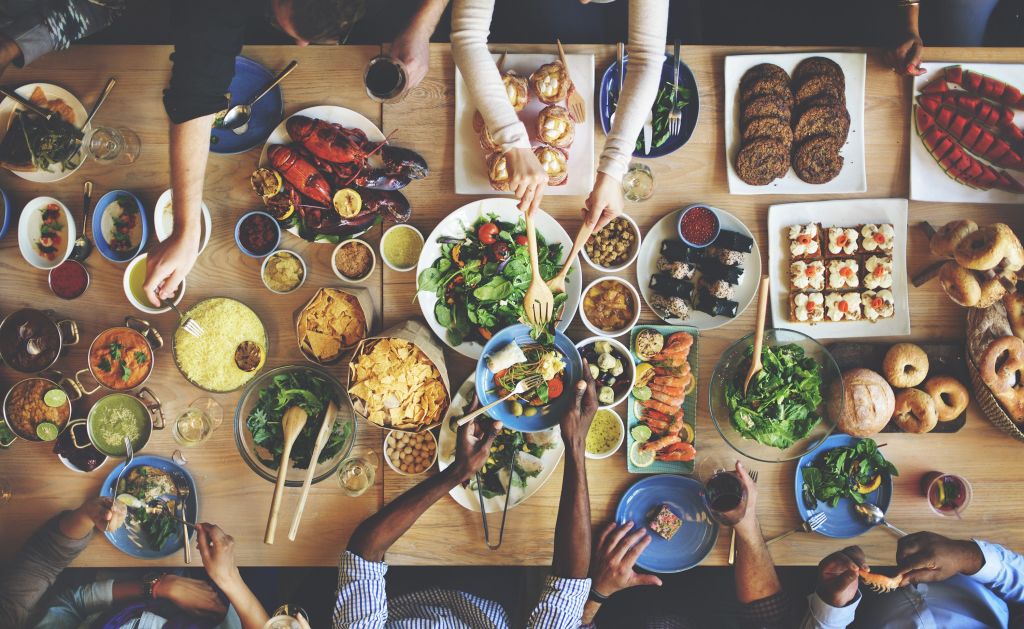
What stays the same though is the extent to which each country or community’s unique cuisine can reflect its unique history, lifestyle, values, and beliefs.
In China, harmony is a vital trait in almost every aspect of life. This is reflected in Chinese cuisine, where almost every flavor (salty, spicy, sour, sweet, and bitter) is used in a balanced way creating delicious dishes with flavors that go well together. Historically, Chinese people have an ornate style, which can be seen in their architecture and costumes, as well as in their food. They believe that food not only needs to be nutritious but also needs to look appealing, so they put a lot of effort into decorating the dishes and making them look colorful, with vibrant red as their traditional color.
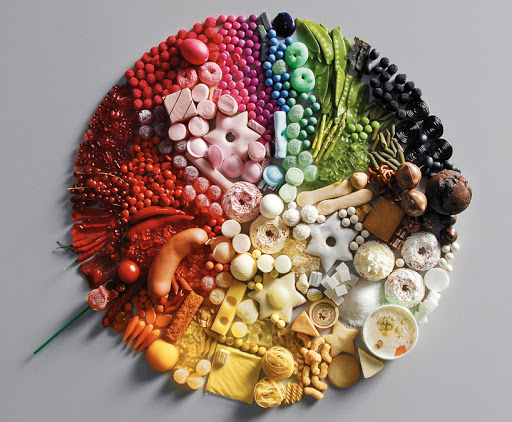
The cuisine of the United States reflects its history. The European colonization of the Americas yielded the introduction of European ingredients and cooking styles to the U.S. Later in the 20th century, the influx of immigrants from many foreign nations developed a rich diversity in food preparation throughout the country.
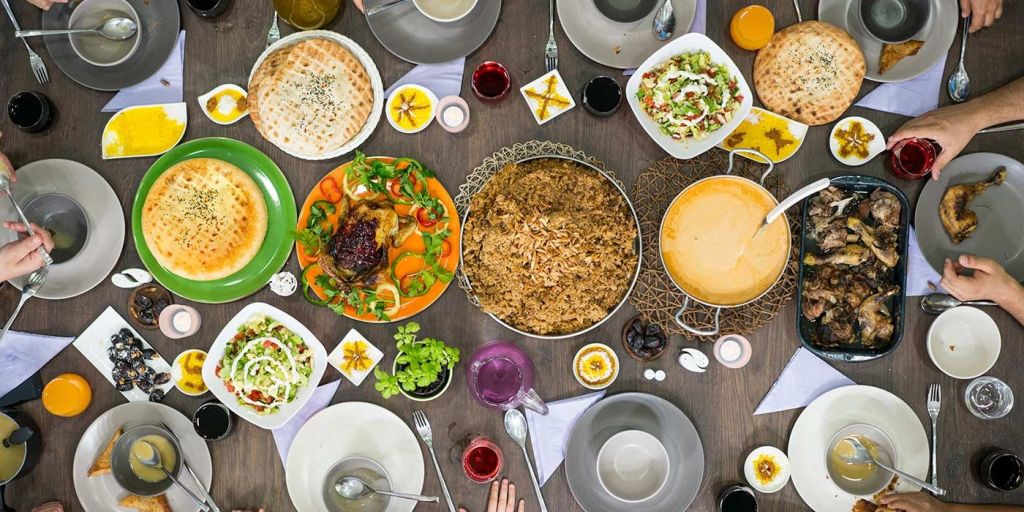
There are about 200 countries in the world, and every country has its own traditional food. Food is part of every country’s culture. It is what makes countries unique. Do you know each countries’ traditional food? Well if you don’t, I will introduce the traditional food of several countries in my blog.
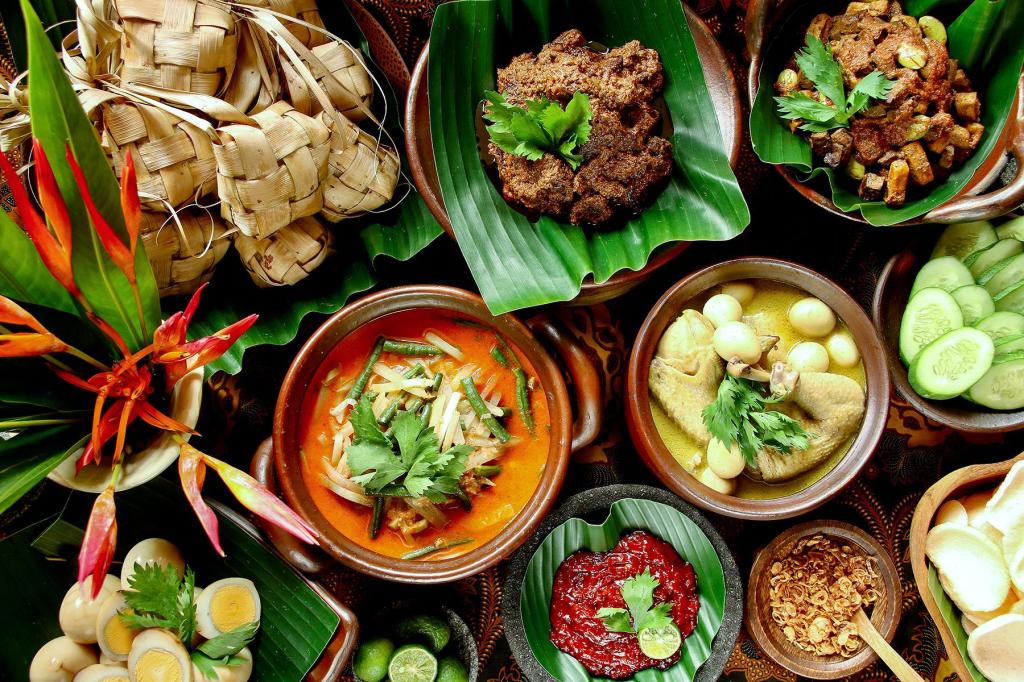
Why is food different around the world?
It is actually amazing how similar food is around the world, industrialisation and internationalisation have actually encouraged similarities across the world. But of course there are differences, in some places food uses local ingredients that have not spread elsewhere. There are also differences based on convention and habit. For example, baking food is common in western countries, fly flash frying is common in Asia. So we see the rise of certain common genres of food. Hamburgers and fries in the US. Then there are curries in India, every single restaurant in Korea is a Korean BBQ, and of course stir frying dishes in Asia. Basically one genre of cooking takes hold in a place and soon it dominates and even though there are many types of food in a place, one type may still dominate.
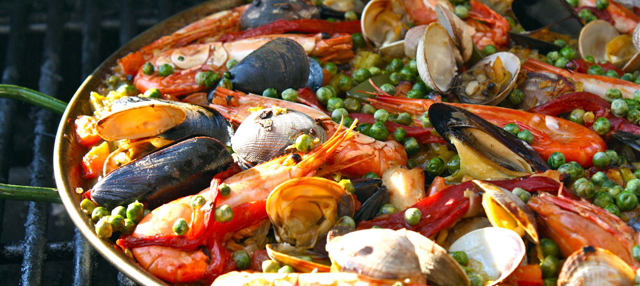
What is meant by traditional food and why are they important?
Traditional foods are foods and dishes that are passed through generations or which have been consumed for many generations. Traditional foods and dishes are traditional in nature, and may have a historic precedent in a national dish, regional or local cuisines. Traditional foods and beverages may be produced as homemade, by restaurants and small manufacturers, and by large food processing plant facilities. Traditional food is important because they show you the identity of the country and reminds you of your home and family, traditional food reminds me of family because they are originally made with love from families to each other.
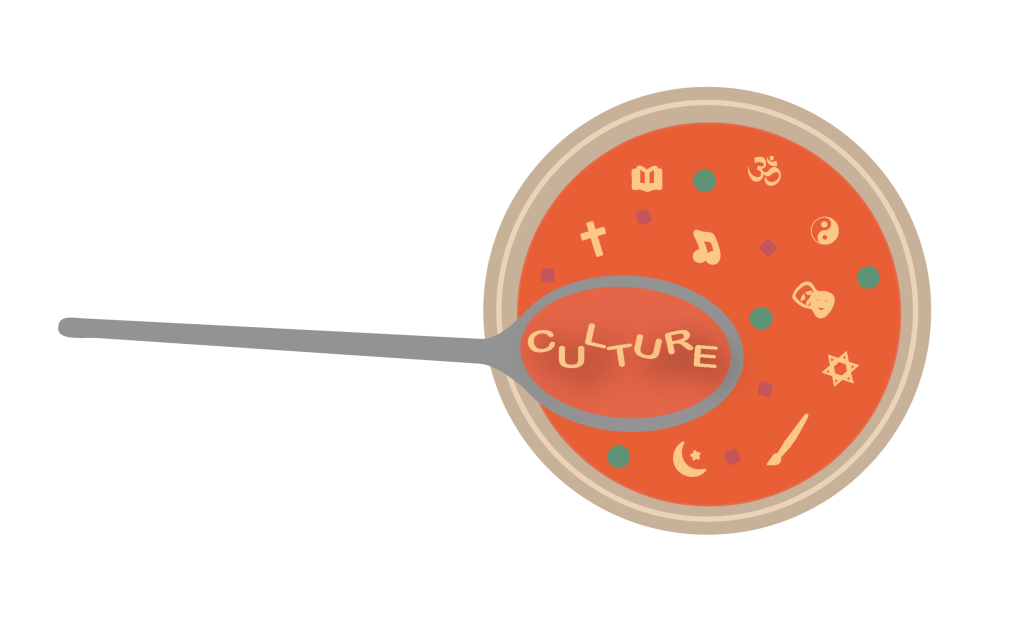
As the world becomes more globalized, it is easier to access cuisines from different cultures. We should embrace our heritage through our culture’s food but we should also become more informed about other cultures by trying their foods. It’s important to remember that each dish has a special place in the culture to which it belongs, and is special to those who prepare it. Food is a portal into culture, and it should be treated as such.
This is an example post, originally published as part of Blogging University. Enroll in one of our ten programs, and start your blog right.
You’re going to publish a post today. Don’t worry about how your blog looks. Don’t worry if you haven’t given it a name yet, or you’re feeling overwhelmed. Just click the “New Post” button, and tell us why you’re here.
Why do this?
The post can be short or long, a personal intro to your life or a bloggy mission statement, a manifesto for the future or a simple outline of your the types of things you hope to publish.
To help you get started, here are a few questions:
You’re not locked into any of this; one of the wonderful things about blogs is how they constantly evolve as we learn, grow, and interact with one another — but it’s good to know where and why you started, and articulating your goals may just give you a few other post ideas.
Can’t think how to get started? Just write the first thing that pops into your head. Anne Lamott, author of a book on writing we love, says that you need to give yourself permission to write a “crappy first draft”. Anne makes a great point — just start writing, and worry about editing it later.
When you’re ready to publish, give your post three to five tags that describe your blog’s focus — writing, photography, fiction, parenting, food, cars, movies, sports, whatever. These tags will help others who care about your topics find you in the Reader. Make sure one of the tags is “zerotohero,” so other new bloggers can find you, too.

 Food Around The World